🤖 Advanced Robotic Oral Cancer Surgery
🎗 Advanced Head & Neck Cancer Surgery Specialist
🏥 Consultant Head & Neck Cancer Surgeon – KIMS Hospital, Thane
⚕ 3000+ Complex Cancer Surgeries Successfully Performed
🎓 Ex-Fellow – Tata Memorial Hospital, Mumbai
📚 87+ International Publications till May 2026 in Head & Neck Oncology
🏆 Maharashtra Cancer Warrior Award 2025
📞 Book Appointment: +91 7738900970
🤖 Advanced Robotic Oral Cancer Surgery
🎗 Advanced Head & Neck Cancer Surgery Specialist
🏥 Consultant Head & Neck Cancer Surgeon – KIMS Hospital, Thane
⚕ 3000+ Complex Cancer Surgeries Successfully Performed
🎓 Ex-Fellow – Tata Memorial Hospital, Mumbai
📚 82+ International Publications in Head & Neck Oncology
🏆 Maharashtra Cancer Warrior Award 2025
📞 Book Appointment: +91 7738900970

Oropharyngeal Cancer Surgery
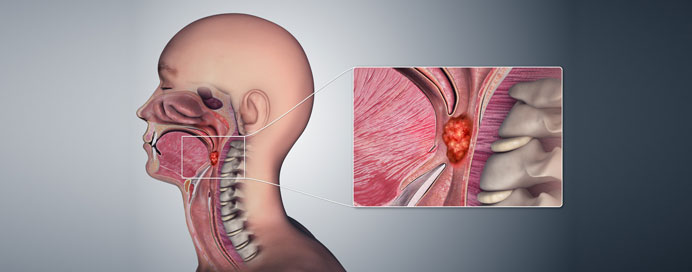
Oropharyngeal cancer surgery is performed to remove malignant tumors arising from the oropharynx, which includes the tonsils, base of the tongue, soft palate, and throat walls. The main goal of surgery is complete tumor removal while preserving essential functions like speech, swallowing, and breathing. Depending on the stage and location, surgeons may use traditional open approaches or minimally invasive techniques such as transoral robotic surgery to improve precision and reduce recovery time. Treatment is often planned in coordination with radiation or chemotherapy for best outcomes.
Tumor Removal with Functional Preservation
This surgical approach focuses on removing the cancer completely while maintaining the structure and function of nearby muscles and tissues involved in swallowing and speech.
- Precise removal of tumor from tonsil and tongue base areas
- Preservation of swallowing and speech functions
- Minimally invasive options like robotic surgery in selected cases
Neck Management & Disease Control
Since oropharyngeal cancers often spread to lymph nodes in the neck, surgery may also involve removal of affected lymph nodes to prevent further spread and improve disease control.
- Assessment and removal of involved cervical lymph nodes
- Helps reduce risk of cancer recurrence
- Improves long-term survival outcomes
Comprehensive Post-Surgical Rehabilitation
After surgery, patients may require rehabilitation to regain normal swallowing, speech, and nutritional function. Supportive care, including speech therapy and dietary guidance, plays a crucial role in recovery and improving quality of life.