🤖 Advanced Robotic Oral Cancer Surgery
🎗 Advanced Head & Neck Cancer Surgery Specialist
🏥 Consultant Head & Neck Cancer Surgeon – KIMS Hospital, Thane
⚕ 3000+ Complex Cancer Surgeries Successfully Performed
🎓 Ex-Fellow – Tata Memorial Hospital, Mumbai
📚 87+ International Publications till May 2026 in Head & Neck Oncology
🏆 Maharashtra Cancer Warrior Award 2025
📞 Book Appointment: +91 7738900970
🤖 Advanced Robotic Oral Cancer Surgery
🎗 Advanced Head & Neck Cancer Surgery Specialist
🏥 Consultant Head & Neck Cancer Surgeon – KIMS Hospital, Thane
⚕ 3000+ Complex Cancer Surgeries Successfully Performed
🎓 Ex-Fellow – Tata Memorial Hospital, Mumbai
📚 82+ International Publications in Head & Neck Oncology
🏆 Maharashtra Cancer Warrior Award 2025
📞 Book Appointment: +91 7738900970

Robotic Assisted Oral Cancer Surgery
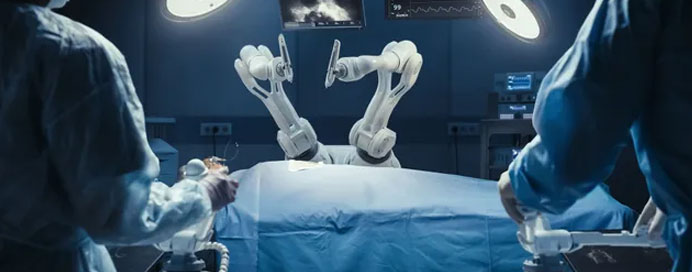
Robotic assisted oral cancer surgery is a minimally invasive advanced surgical technique used to remove cancerous tissues from the oral cavity with high precision and control. In this approach, the surgeon operates robotic instruments through small access points, allowing better visualization of deep or hard-to-reach areas like the tongue base and throat. This method helps in preserving healthy surrounding tissues, reducing blood loss, and improving functional outcomes such as speech and swallowing. It is especially useful in early to selected locally advanced oral cancers where precision is critical.
Precision-Based Tumor Removal
Robotic technology allows surgeons to operate with enhanced accuracy, flexibility, and magnified 3D vision, which improves the ability to completely remove the tumor while minimizing damage to healthy structures.
- High-definition 3D magnified view of surgical area
- Greater precision in removing deep or hidden tumors
- Minimal damage to surrounding healthy tissues
- Reduced post-operative pain and faster recovery
Enhanced Recovery and Functional Preservation
This technique is designed to support quicker healing and better preservation of oral functions compared to traditional open surgery. Patients often experience shorter hospital stays and improved quality of life after surgery, with reduced complications and better cosmetic outcomes.