🤖 Advanced Robotic Oral Cancer Surgery
🎗 Advanced Head & Neck Cancer Surgery Specialist
🏥 Consultant Head & Neck Cancer Surgeon – KIMS Hospital, Thane
⚕ 3000+ Complex Cancer Surgeries Successfully Performed
🎓 Ex-Fellow – Tata Memorial Hospital, Mumbai
📚 87+ International Publications till May 2026 in Head & Neck Oncology
🏆 Maharashtra Cancer Warrior Award 2025
📞 Book Appointment: +91 7738900970
🤖 Advanced Robotic Oral Cancer Surgery
🎗 Advanced Head & Neck Cancer Surgery Specialist
🏥 Consultant Head & Neck Cancer Surgeon – KIMS Hospital, Thane
⚕ 3000+ Complex Cancer Surgeries Successfully Performed
🎓 Ex-Fellow – Tata Memorial Hospital, Mumbai
📚 82+ International Publications in Head & Neck Oncology
🏆 Maharashtra Cancer Warrior Award 2025
📞 Book Appointment: +91 7738900970

Salivary Gland & Thyroid Surgery
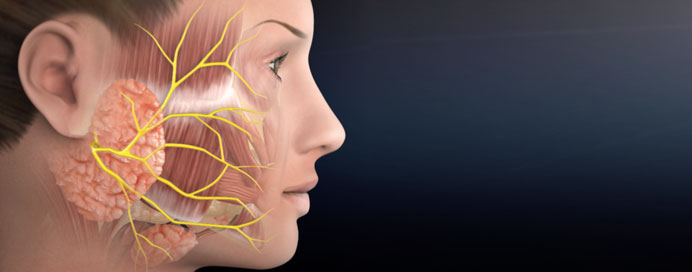
Salivary gland and thyroid surgery is performed to treat conditions affecting the salivary glands and thyroid gland, including benign tumors, malignant growths, infections, cysts, thyroid nodules, goiter, and gland enlargement. These conditions may cause swelling, pain, difficulty in swallowing, hormonal imbalance, or cosmetic concerns. The primary goal of surgery is to safely remove the diseased tissue while preserving important nerves, blood vessels, and normal gland function whenever possible. Advanced surgical techniques and careful planning help achieve effective treatment with minimal complications and faster recovery.
Salivary Gland & Thyroid Tumor Surgery
This surgical approach focuses on the safe removal of tumors, nodules, and diseased glands while protecting nearby nerves and maintaining essential gland functions.
- Removal of benign and malignant salivary gland or thyroid tumors
- Treatment of thyroid nodules, goiter, and salivary gland swelling
- Careful preservation of facial nerve and vocal cord nerve function
Advanced & Minimally Invasive Surgical Care
Modern surgical techniques focus on precise dissection, minimal scarring, and faster healing to ensure better cosmetic and functional outcomes after surgery.
- Smaller incisions with improved cosmetic appearance
- Reduced risk of nerve injury and post-operative complications
- Faster recovery with improved patient comfort and long-term outcomes